
Is Sonoran Desert Institute Worth It for Optics and Accuracy Coursework?
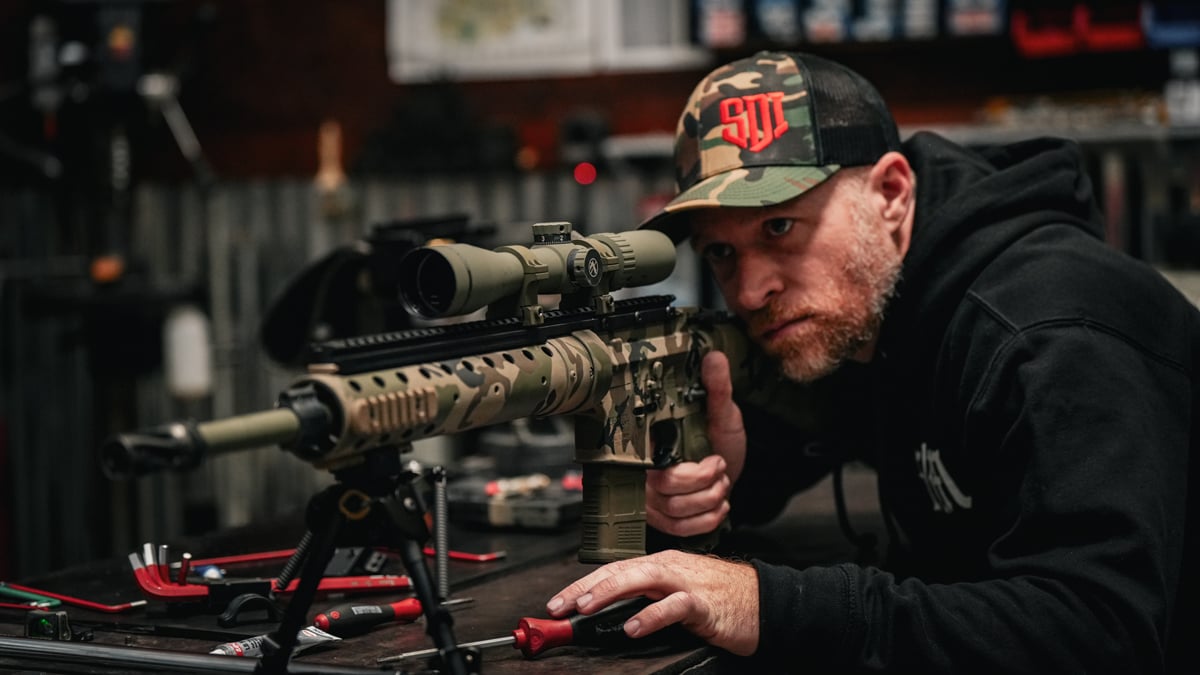
Learners exploring firearms technology education often look for ways to strengthen specific technical areas through focused study. Many prospective learners start by asking whether Sonoran Desert Institute is worth it when they want training that feels relevant to real-world goals. That question reflects a practical concern for individuals evaluating skills-based education. Sonoran Desert Institute (SDI), which is accredited by the Distance Education Accrediting Commission (DEAC), provides technical education through structured online learning and hands-on assignments completed outside a traditional classroom.
Optics and accuracy coursework can help learners concentrate on specific areas within firearms technology in a structured learning environment. These areas of study center on understanding systems, applying careful observation, and developing consistency through guided assignments. Rather than broad exposure alone, optics and accuracy training provide a focused path for learners who want to build a deeper understanding of how these elements fit into firearms’ technology.
Understanding the Role of Optics in Technical Learning
Optics play an important role in firearms-related studies, particularly in how systems are set up, observed, and adjusted. Coursework focused on optics can introduce learners to key components, including mounting systems, alignment, and sighting methods.
Through structured assignments, students learn how optics interact with other parts of a system. This includes examining positioning, stability, and the relationship between components. Working through these steps helps learners understand how setup influences consistency in technical tasks. This type of study builds awareness. Learners begin to recognize how careful placement and adjustment contribute to reliable outcomes. By focusing on optics as a specific area, students gain a clearer understanding of how detailed work supports overall performance in technical settings.
Building Accuracy Through Structured Practice
Accuracy is not treated as a single outcome but as a process shaped by careful steps and repeated attention to detail. Coursework focused on this area can guide learners through structured assignments that emphasize consistency, observation, and evaluation.
Students work through tasks that require them to follow defined procedures. These assignments often involve reviewing alignment, documenting results, and making controlled adjustments. This process helps learners understand how accuracy develops through method rather than assumptions. Through repeated engagement, students begin to see patterns in their work. They recognize how small changes affect results and learn to approach tasks with a steady, deliberate pace. This structured practice supports a more disciplined approach to technical work.
Connecting Optics and Accuracy in Coursework
Optics and accuracy are closely connected in firearms technology studies. Coursework that addresses these areas together can help learners see how setup and observation influence outcomes.
By working through assignments that involve both elements, students gain insight into how systems function as a whole. They learn to evaluate how positioning, alignment, and consistency contribute to the final result. This connection supports a more complete understanding of the subject. Instead of viewing optics and accuracy as separate topics, learners begin to see how they interact within technical processes. This perspective helps strengthen their overall approach to firearms-related work.
Reinforcing Consistency Through Repetition
Consistency is an important part of technical skill development. Optics and accuracy coursework can provide repeated opportunities for learners to apply the same methods and observe the results.
Through repetition, students build familiarity with processes and develop a steady approach to their work. Tasks that may seem complex at first become more manageable as learners gain experience. For individuals researching Sonoran Desert Institute Worth It, this type of consistent, hands-on practice can help demonstrate the value of structured technical training and gradual skill development. This repetition also helps reinforce discipline. Students learn to follow each step carefully, which supports more reliable outcomes.
Documenting Progress Through Coursework
Documentation plays an important role in tracking progress in optics and accuracy training. Students often record their work at different stages, creating a visual and written record of their development.
This documentation allows learners to review their progress and compare earlier work with later results. By examining these records, they can identify improvements and better understand how their skills are developing. Documented work also supports instructor feedback. Instructors can review submissions and provide guidance based on what they observe. This feedback helps students refine their approach and continue improving.
Strengthening a Specific Technical Focus
Optics and accuracy training give learners a way to concentrate on a specific area within firearms technology. This focused study allows students to build depth in one subject rather than dividing attention across multiple topics.
By concentrating on a defined area, learners can develop a clearer understanding of the skills involved. This focus supports stronger retention and helps students apply what they have learned more effectively. Focused coursework also allows learners to evaluate their interest in the subject. Through hands-on assignments and structured learning, they gain insight into whether they want to continue developing skills in this area.
Supporting Long-Term Skill Development
Skills developed through optics and accuracy training can support broader technical learning over time. The habits formed through careful observation, structured practice, and consistent repetition apply to other areas of firearm technology.
Learners who build these habits often approach new tasks with greater confidence and control. They understand the importance of following a process and paying attention to detail, which supports ongoing development. This long-term perspective adds value to focused coursework. Students are not only learning a specific skill but also developing an approach that can be applied in other technical contexts.
Building Technical Precision Through Structured Optics and Accuracy Training
Optics and accuracy training provide a practical way for learners to strengthen a specific technical area within firearms technology. Through structured assignments, repeated practice, and careful observation, students build a deeper understanding of how these elements contribute to technical work. This approach keeps the focus on learning and development rather than performance claims. Students engage with the material through hands-on tasks, documentation, and feedback, creating a clear path for improvement.
By concentrating on defined areas, learners can build knowledge and experience that connect directly to practical work. Through structured learning and consistent practice, optics and accuracy coursework can help students develop a steady approach to technical tasks. This approach supports meaningful progress and provides a foundation for continued learning within firearms technology education.


